- Get link
- X
- Other Apps
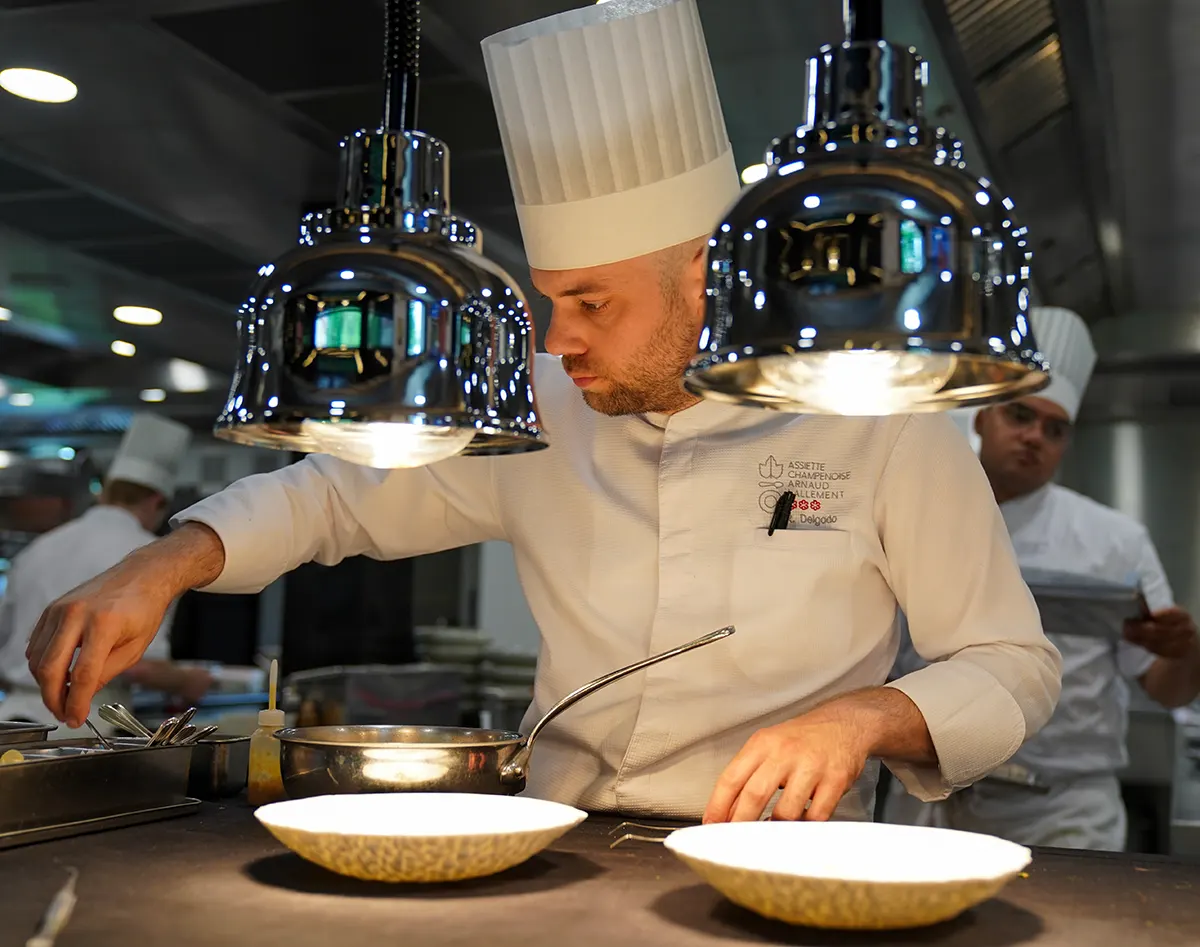
Chef Ton earned a Michelin star, but he never forgot where street food begins. He just helped set up a new street food market in Singapore called Soi Stories. This new food spot brings street cooks together so more people can taste real Thai dishes.
The new food hall at Centrepoint features 11 to 13 different food stalls. Chef Ton picked the menus and helped bring these real Thai flavors to a big city crowd. It shows how one simple food stand can turn into a huge business when you keep working hard.
From One Food Stall to World Fame
Every great food story starts small. Many top cooks begin with just one small cart on a busy corner. They serve one hot dish to hungry workers every day. That is how street food cooks learn what people love to eat.
Chef Ton took those same lessons from local streets to top restaurants. Now he uses his famous name to help smaller vendors get noticed. When a Michelin-starred chef backs a humble food stall, everything changes for that cook.
Starting small is not a bad thing. In fact, it gives you time to fix your recipes. You can talk to your buyers right across the counter. You see what they finish and what they leave behind.
Lots of famous kitchen owners started with very little money. If you want to build a business, learning about Entrepreneurship shows how simple ideas turn into real companies. A single food stand teaches you how to buy fresh food, set fair prices, and keep people coming back.

Why Big Chefs Love Street Food Stalls
Why would a top chef care about simple street food? Because street food has real flavor. It does not hide behind fancy plates or expensive lights. The food has to taste good on its own.
Chef Ton wanted to bring real street tastes from Thailand to Singapore. At Centrepoint, his new project lets people try dishes made by real master cooks. Each stall cooks a few things, but they cook them right.
Think about your favorite local meal. It is usually simple, fast, and full of taste. That is what street vendors do best. They spend years making one single noodle or soup dish perfect.
Working in a small space teaches you to be fast. You cannot waste food or time. These small stalls act like trade schools for big kitchen stars.
How Do Food Stalls Turn Into Big Success Stories?
People often ask how a simple cart becomes a huge food brand. The step from one stall to many is big, but the steps are simple. You have to stay focused on good food every single day.
First, you must pick your best dish. Do not try to cook twenty things. Pick the one meal customers ask for most. Make that dish so good that people tell their friends about it.
Next, keep your quality the same. If your soup tastes great on Monday, it must taste great on Friday too. People return when they know what to expect. You can read more about inspiring food success stories to see how tiny stands grow into big brands.
After that, build a strong team. You cannot stand at the stove all day if you want to grow. You need help to cut vegetables, take cash, and clean up. Good help lets you look for new places to open.
Finally, find the right place to grow. Moving into a busy spot like a city center brings thousands of new hungry visitors every day. That is why projects like Soi Stories work so well for small vendors.
The Real Hard Work Behind Street Food
Running a food stall looks fun from the outside, but the work is very hard. Vendors wake up before sunrise to buy meat and greens. They chop food for hours before the first buyer arrives.
Heat from the pots makes the small booth hot all day. You stand on your feet for ten to twelve hours. Yet, the best cooks keep smiling because they love their work.
This kind of drive turns regular people into local legends. Reading about a true Self-made man helps us see how hard work pays off in the end. Nobody gives these cooks a free ride. They earn every dollar one bowl at a time.
When you buy food from a small stall, you buy years of practice. That money helps a real person pay their bills and feed their family. It is the purest kind of food business in the world.
Lessons You Can Learn From Street Vendors
You do not need to be a chef to learn from street cooks. Their daily habits can help anyone build a better work life. Here are four quick lessons from the kitchen floor:
- Start with what you have: Do not wait for a giant shop. Start with a tiny booth or a basic table.
- Do one thing better than anyone else: Focus your energy on your top skill.
- Listen to your buyers: If people stop buying a dish, change the recipe right away.
- Keep your costs low: Small spaces mean low rent, which keeps your risk small while you learn.
When you start small, mistakes do not destroy your company. You can fix a bad recipe in one afternoon. If a giant dining room makes a mistake, it costs thousands of dollars to fix.
Small steps lead to big wins. If you want to build something new, check out our guide on how small business owners succeed against big competition.
The Future of Asian Street Food Markets
Food courts and food halls are changing fast. Big malls want real street flavor to bring shoppers inside. That is why spots like Centrepoint build special zones for street food vendors.
Bringing 11 to 13 stalls together under one roof gives buyers lots of choices. You can get spicy soup at one stand and sweet rice at the next. It makes eating out fun and cheap for families.
Top chefs will keep helping street cooks step into the light. These team projects prove that street food belongs right next to high fashion shops. It shows respect for the real cooks who keep food traditions alive.
Every big success has a simple start. Chef Ton started somewhere, and the stall owners in Singapore are on their own paths today. You can achieve Success if you stay loyal to your craft and put in the hours.
What is one small business idea you have been waiting to try? Take one step today, even if it is as small as setting up a single table.
Comments
Post a Comment